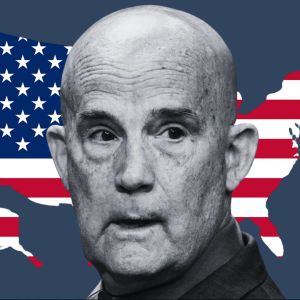
CBDCs took the center stage in the United States House of Representatives. An essential fight broke out over digital currency policy after Rep. Keith Self (R-TX) accused House leadership of breaking a promise. They were supposed to include anti-CBDC language in the National Defense Authorization Act (NDAA). Rep. Self had filed an amendment titled “Anti-CBDC Surveillance State.” In an X post, he informed that his proposal will not advance and will not come to the House floor for a vote. The reported adjustment would have blocked the Federal Reserve from testing or issuing a CBDC. However, this also would have prohibited any Fed-backed digital asset “under any other name or label.” Self further wrote that Conservatives were assured this language would be included. “Instead, we’ve been handed a take-it-or-leave-it bill that breaks that promise. Without it, I’m inclined to leave it.” The amendment also included explicit protections for “open, permissionless and private” dollar-denominated systems. It can be a nod to crypto-friendly Republicans who argue CBDCs threaten financial freedom. Congress drops CBDC ban The NDAA is a 3,086-page package that authorizes next year’s defense budget. It has already run into backlash from hard-liners over Ukraine funding and other omissions. Meanwhile, the absence of a CBDC prohibition has become an unexpected flashpoint in the party’s internal debate over digital money and surveillance. Earlier, Self, in an interview, stated that leadership had indicated Rep. Tom Emmer’s anti-CBDC measure would be part of the final bill. After reviewing the text, he confirmed it wasn’t there. Other Republicans have echoed the criticism. Rep. Marjorie Taylor Greene said she supports crypto but “will not support any system that lets the government cut off Americans from their own money.” In an X post , she mentioned that back in July, she voted NO on the GENIUS Act because it contained a back door to a CBDC. Greene added that at that time, Johnson promised conservatives that he would put Tom Emmer’s bill, which closed the loophole. Rep. Warren Davidson warned that “CBDC inserts the government between you and your money.” He added that President Trump’s executive order banning federal agencies from pursuing a CBDC “is great, but we need and were promised a law.” In a fresh post, Davidson stated that Congress just reneged on the promise to ban Central Bank Digital Currency. In the meantime, the central banks are building it. He emphasised the need to ban CBDC. The Trump administration has moved quickly to reverse the Biden-era Fed’s limited CBDC research. However, one of Trump’s first crypto-related executive orders in January banned federal agencies from developing or promoting a CBDC. It cited risks to privacy, sovereignty, and financial stability. This all comes in when the global crypto market is in the middle of a recovery run after witnessing high sell-offs. The cumulative crypto market cap dipped by almost 2% in the last 24 hours to stand at $3.16 trillion. Bitcoin price dropped by 12% in the last 30 days. BTC is trading at an average price of $93,682 at the press time. Get $50 free to trade crypto when you sign up to Bybit now